

Wurlitzer Organ Fabric—The Many Designs and Which Models They Belonged To
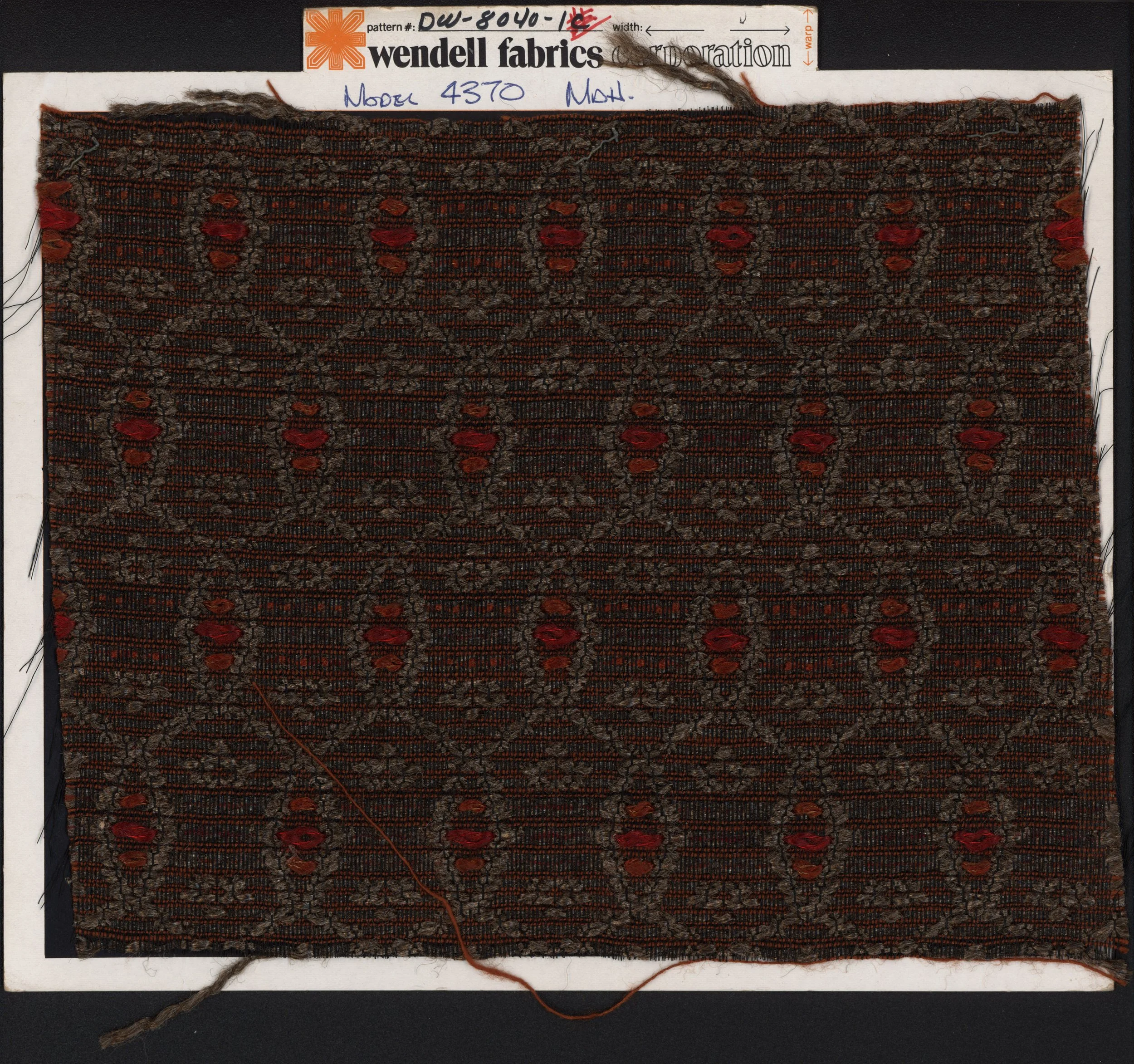
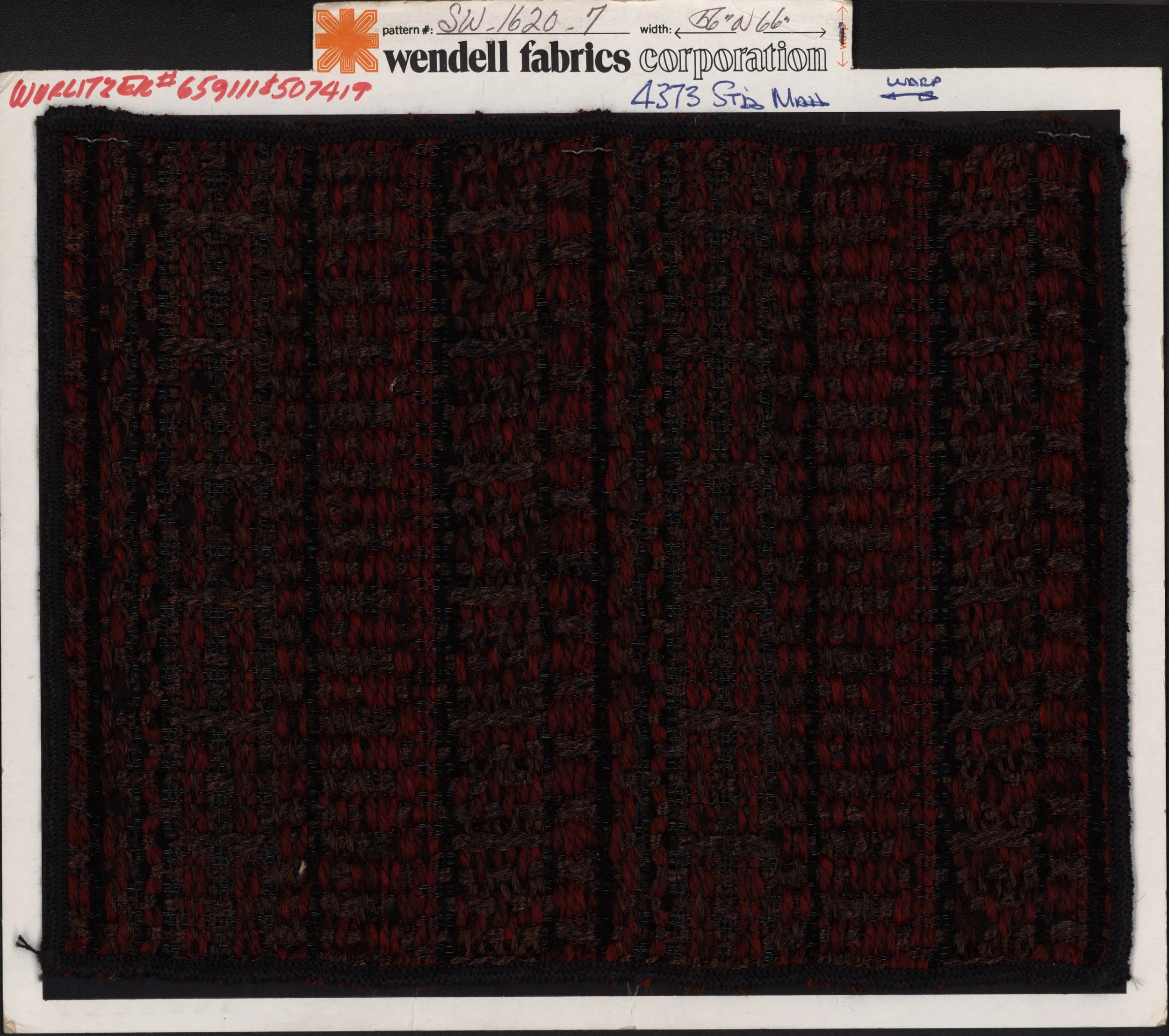
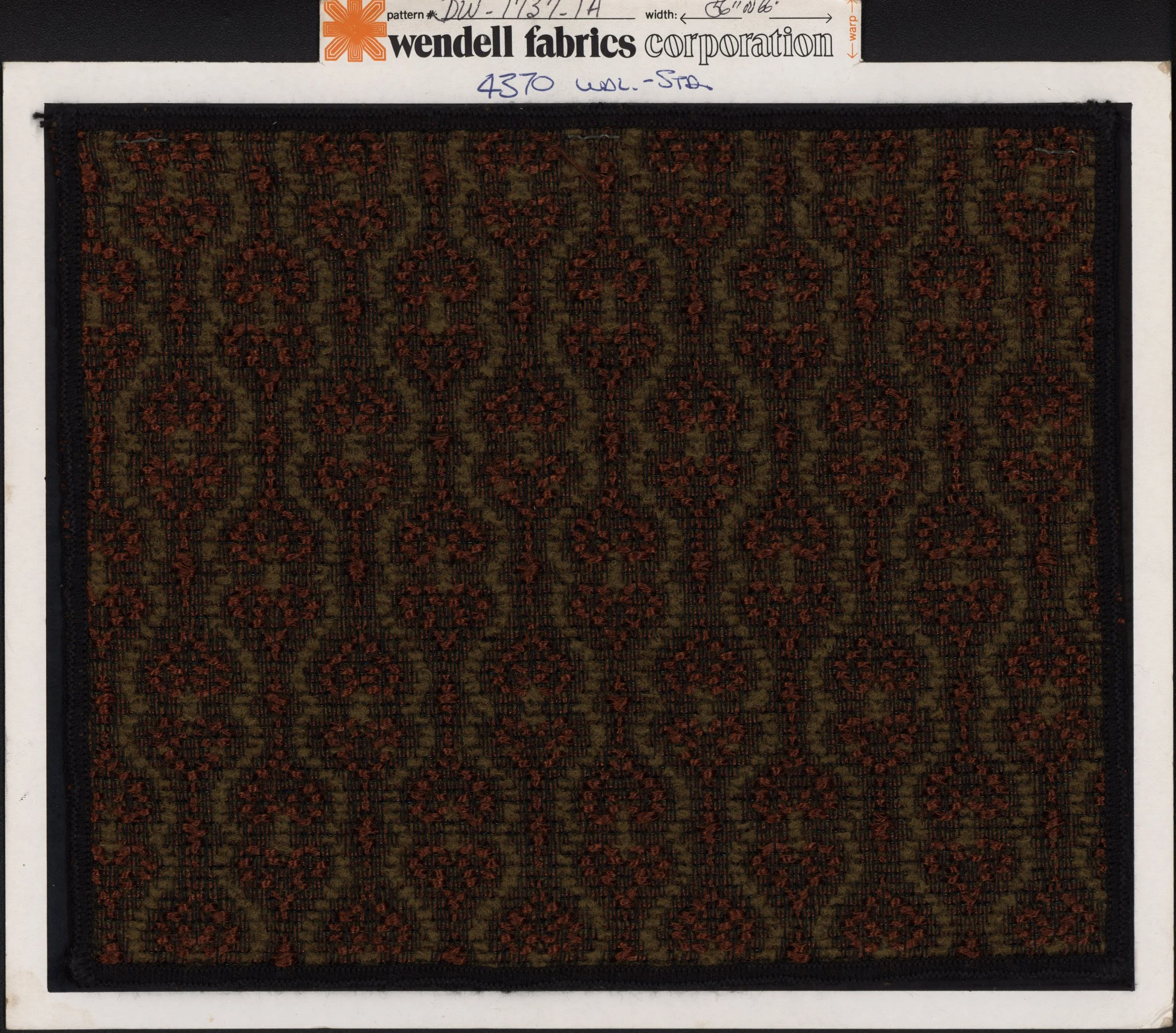
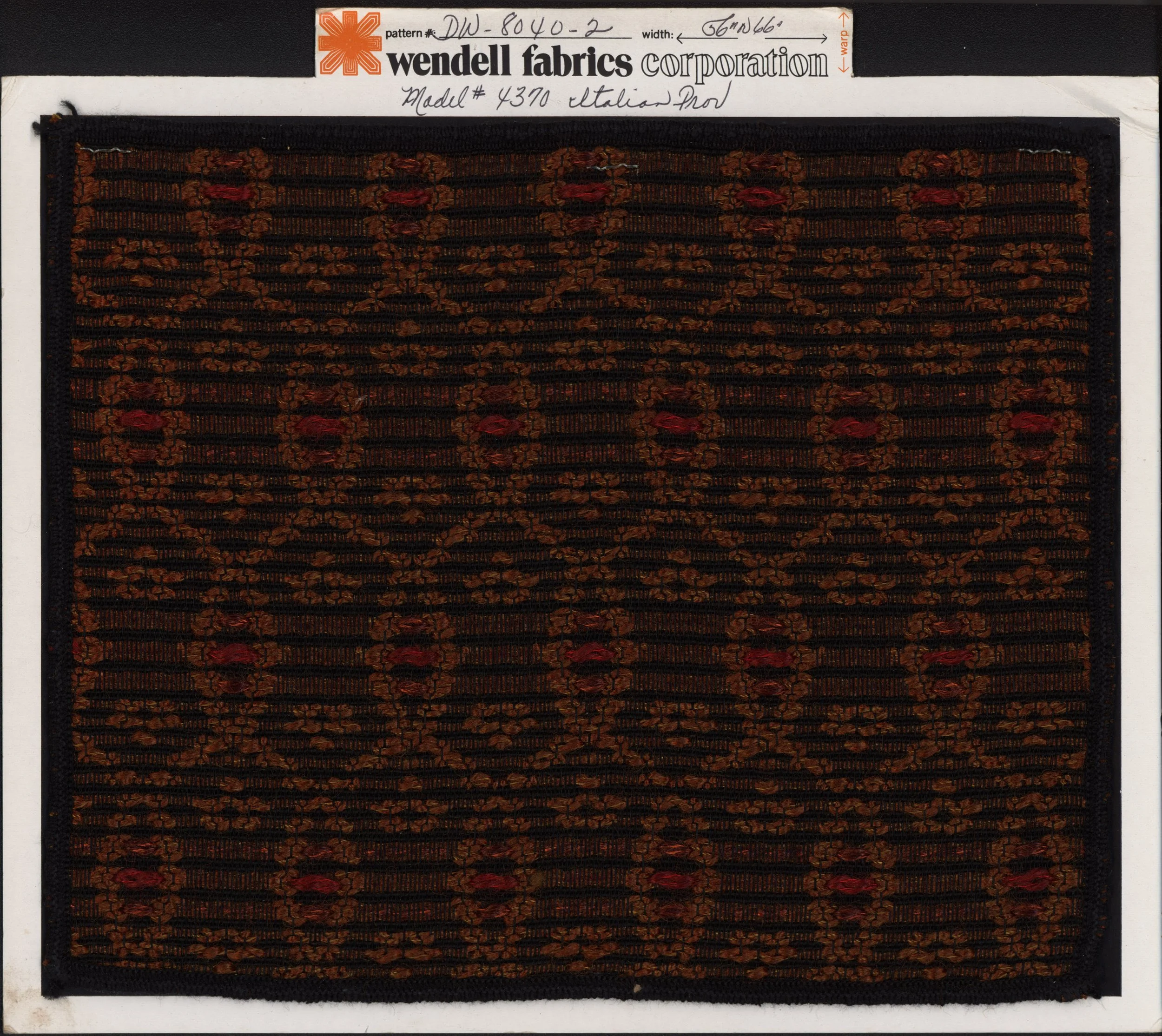
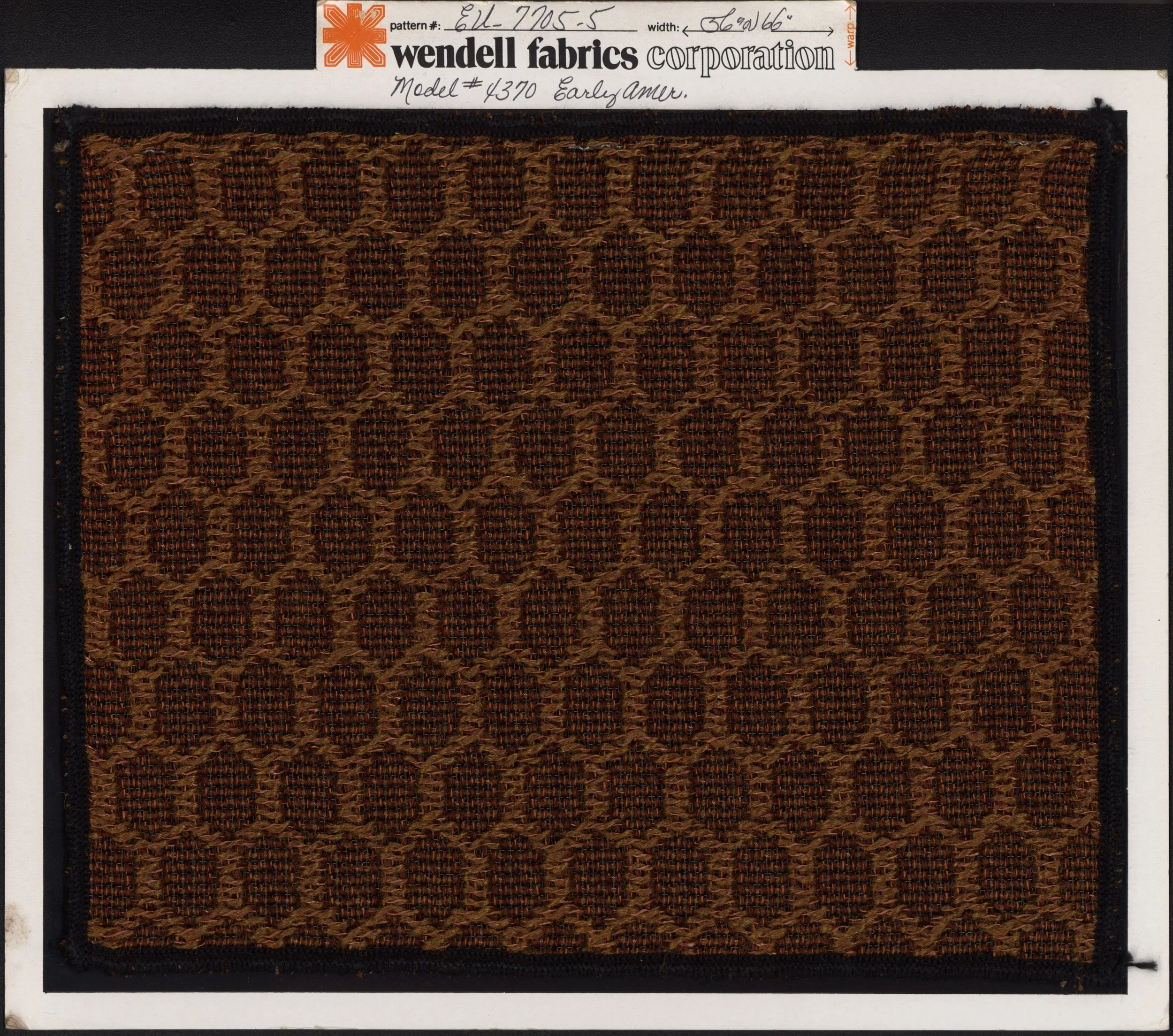
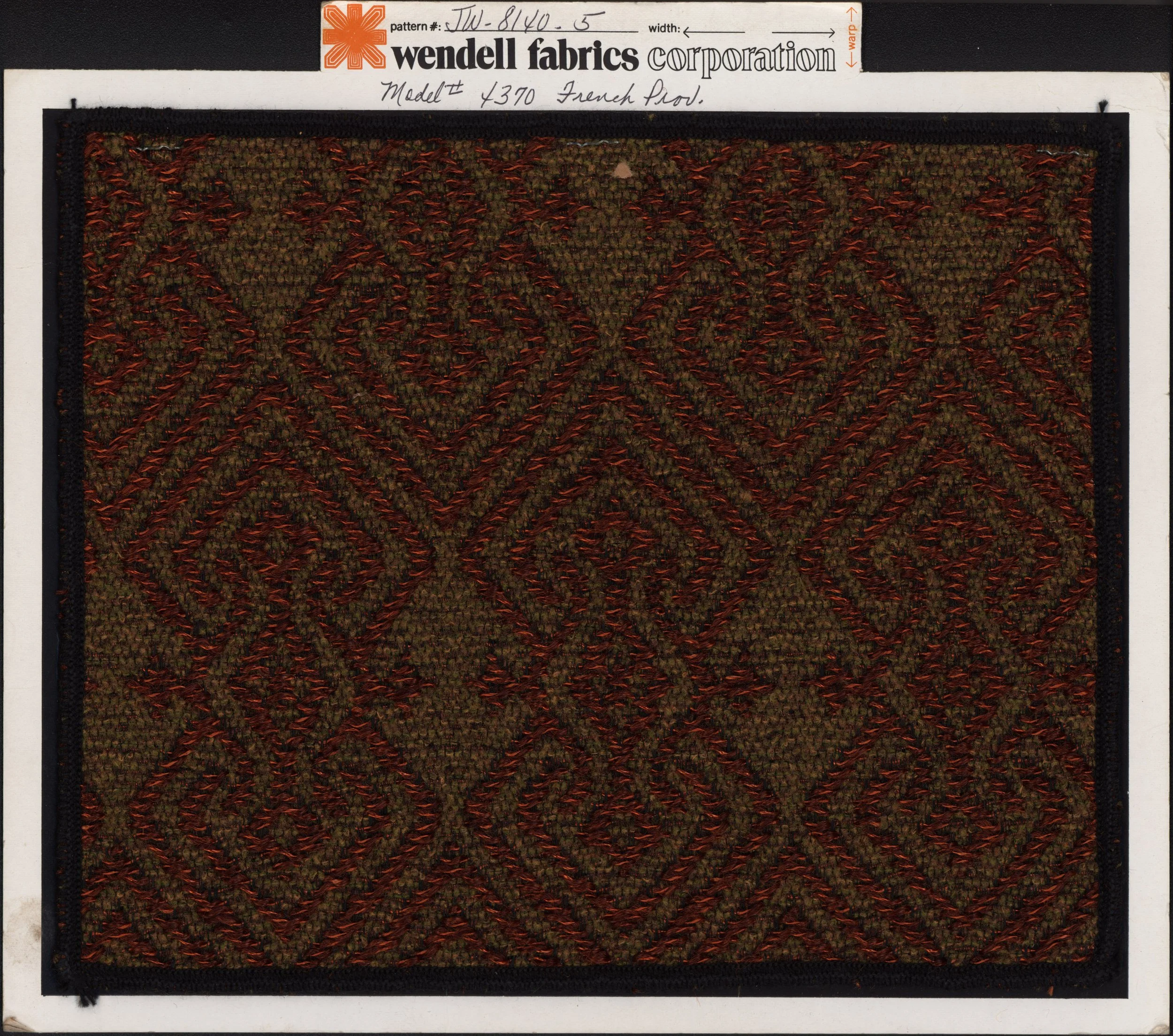
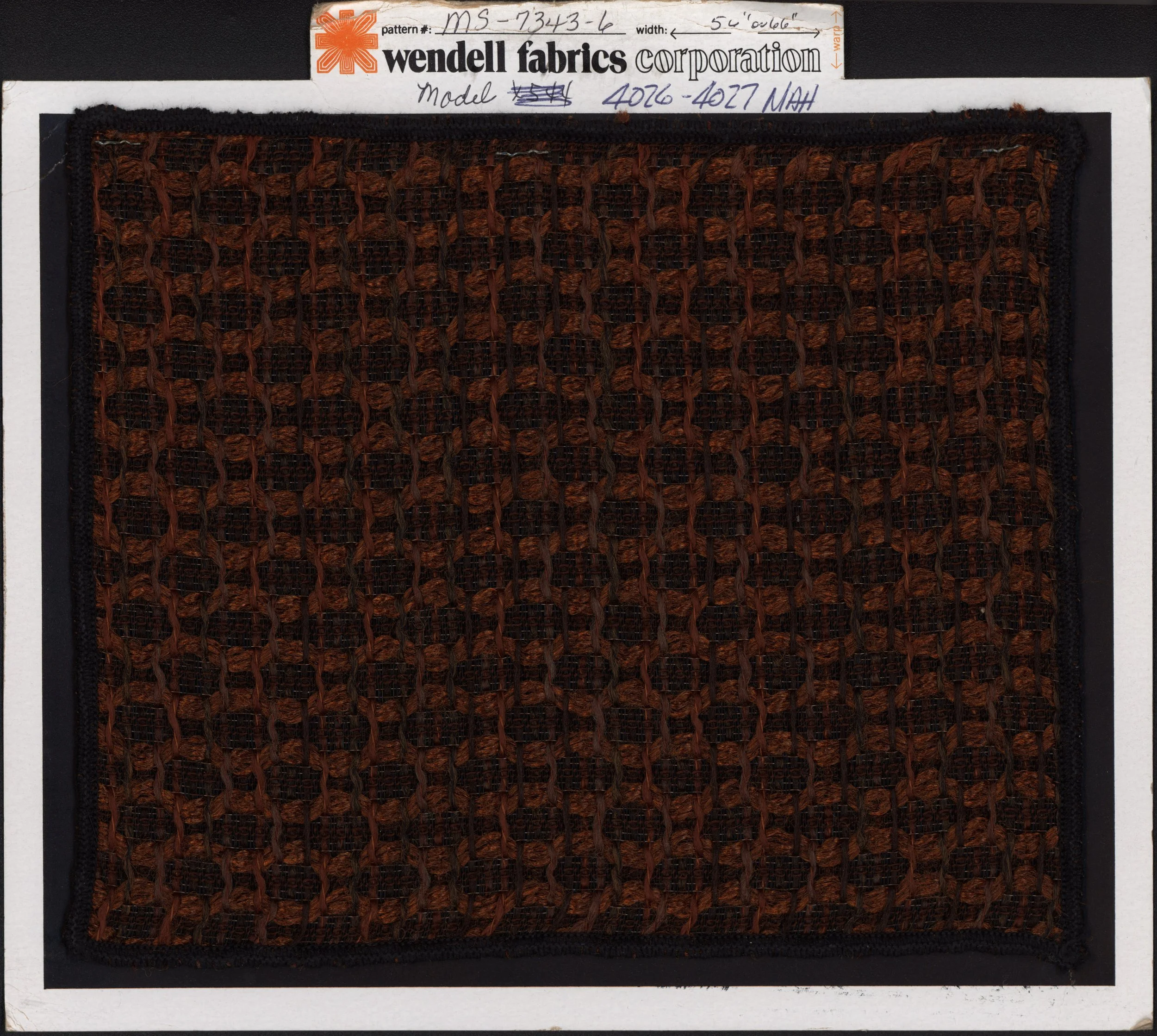
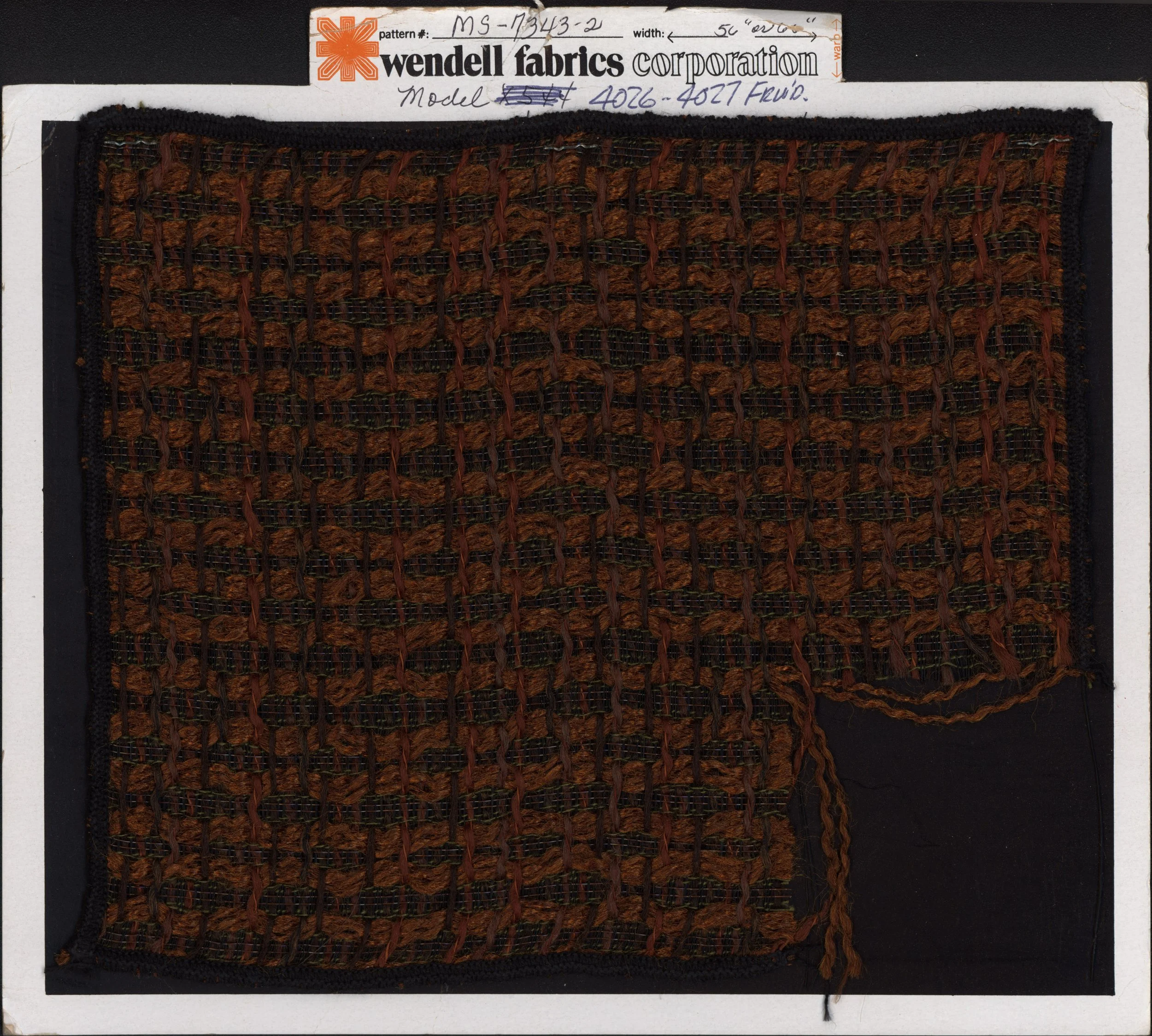
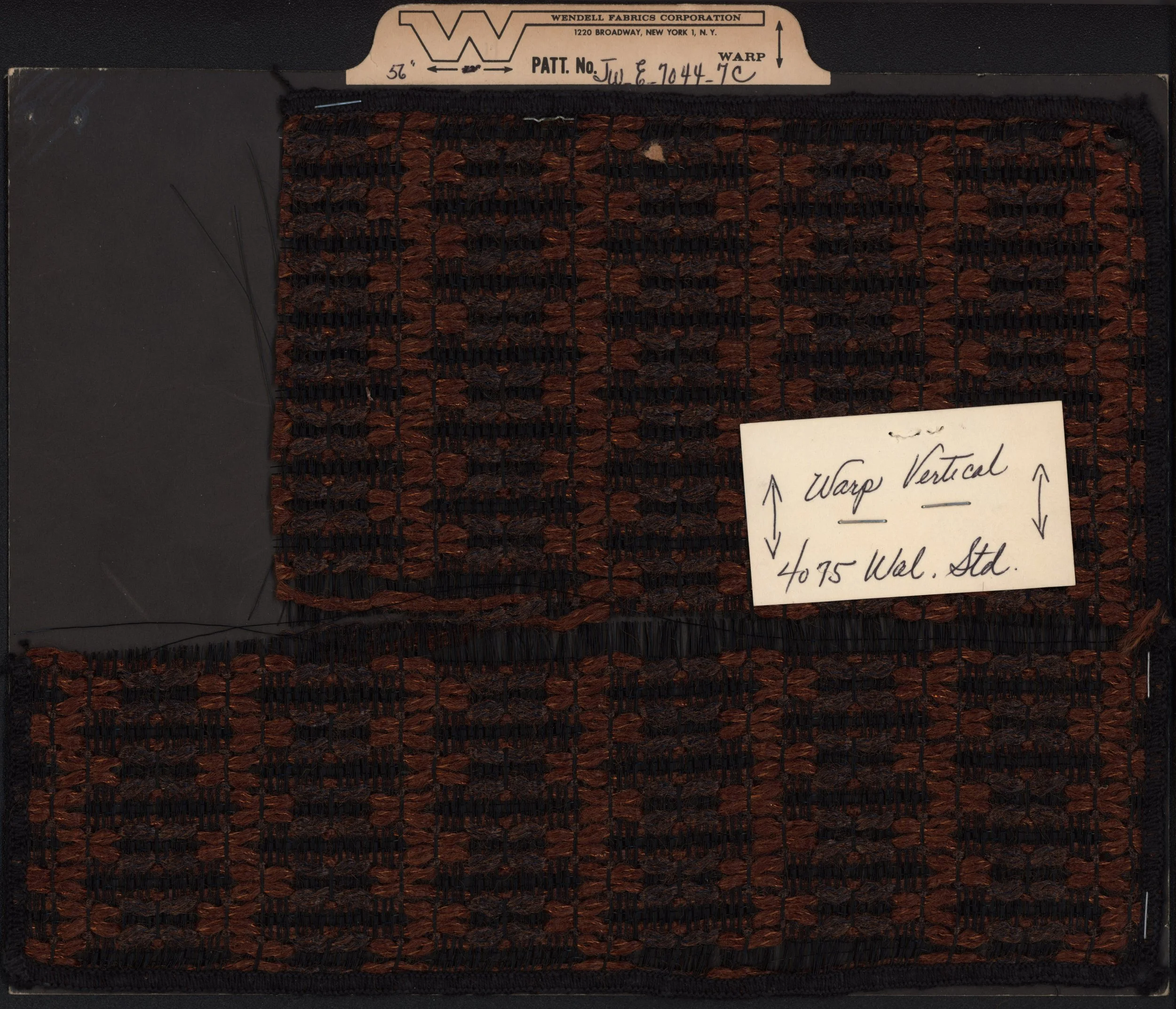
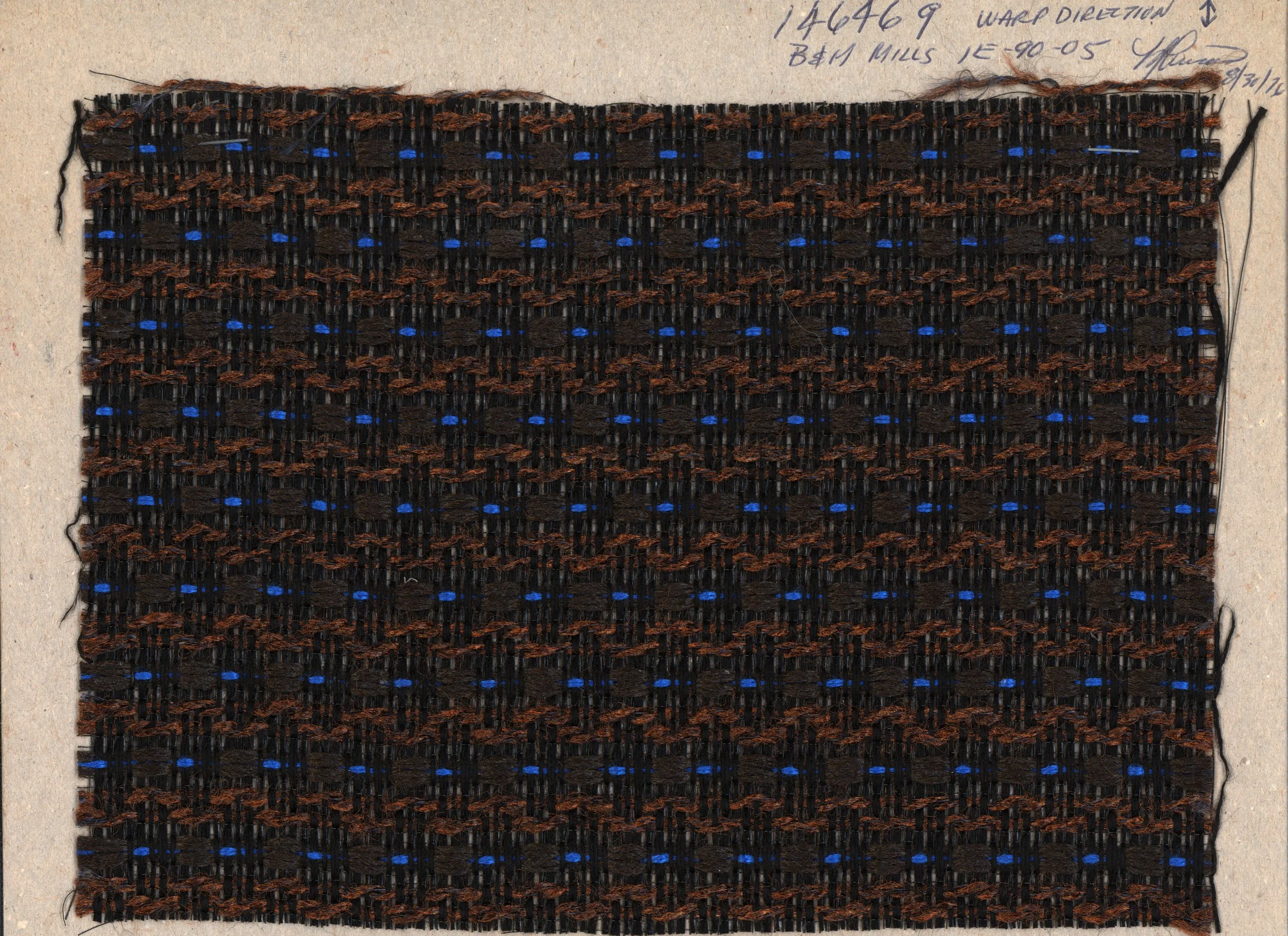
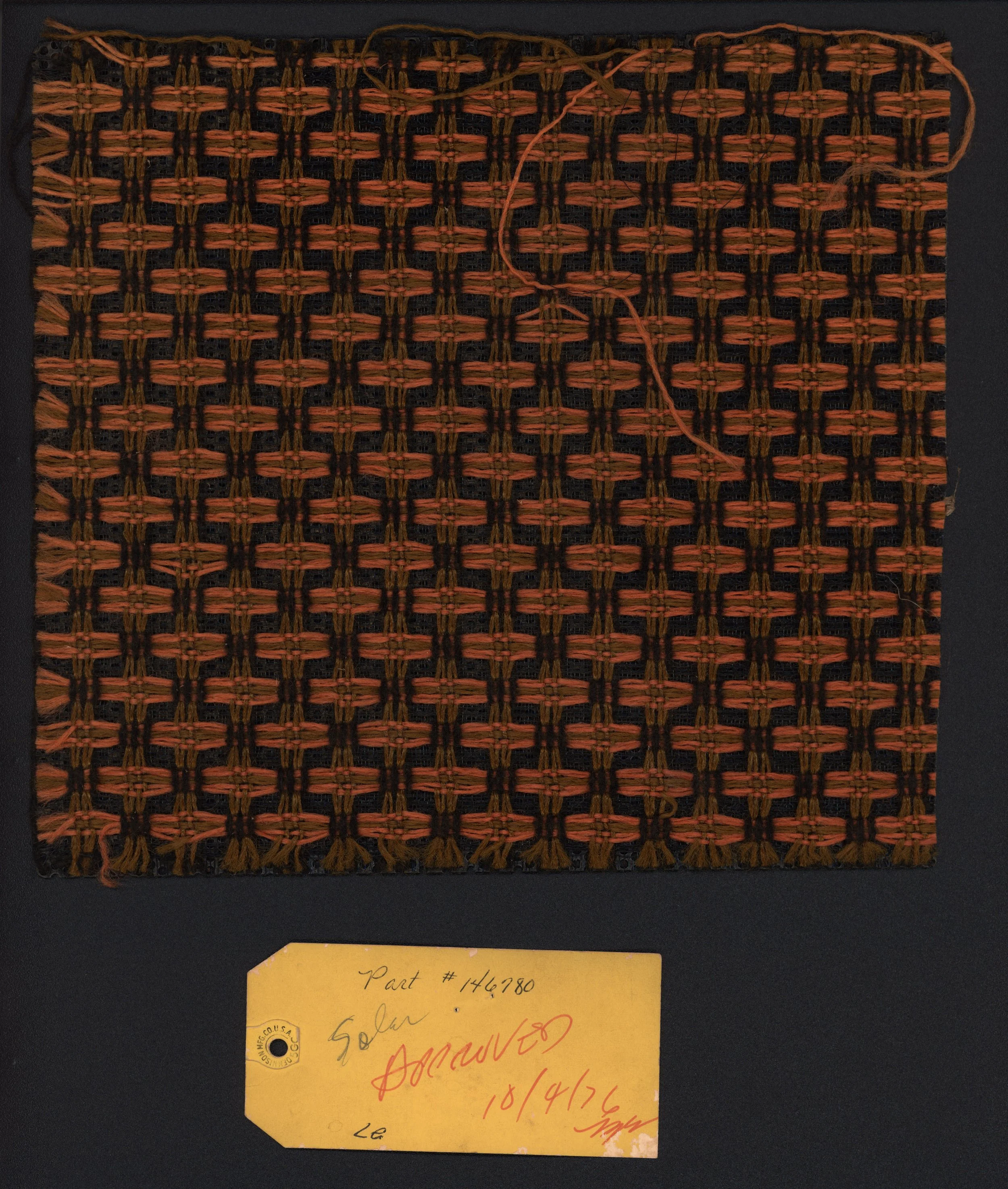
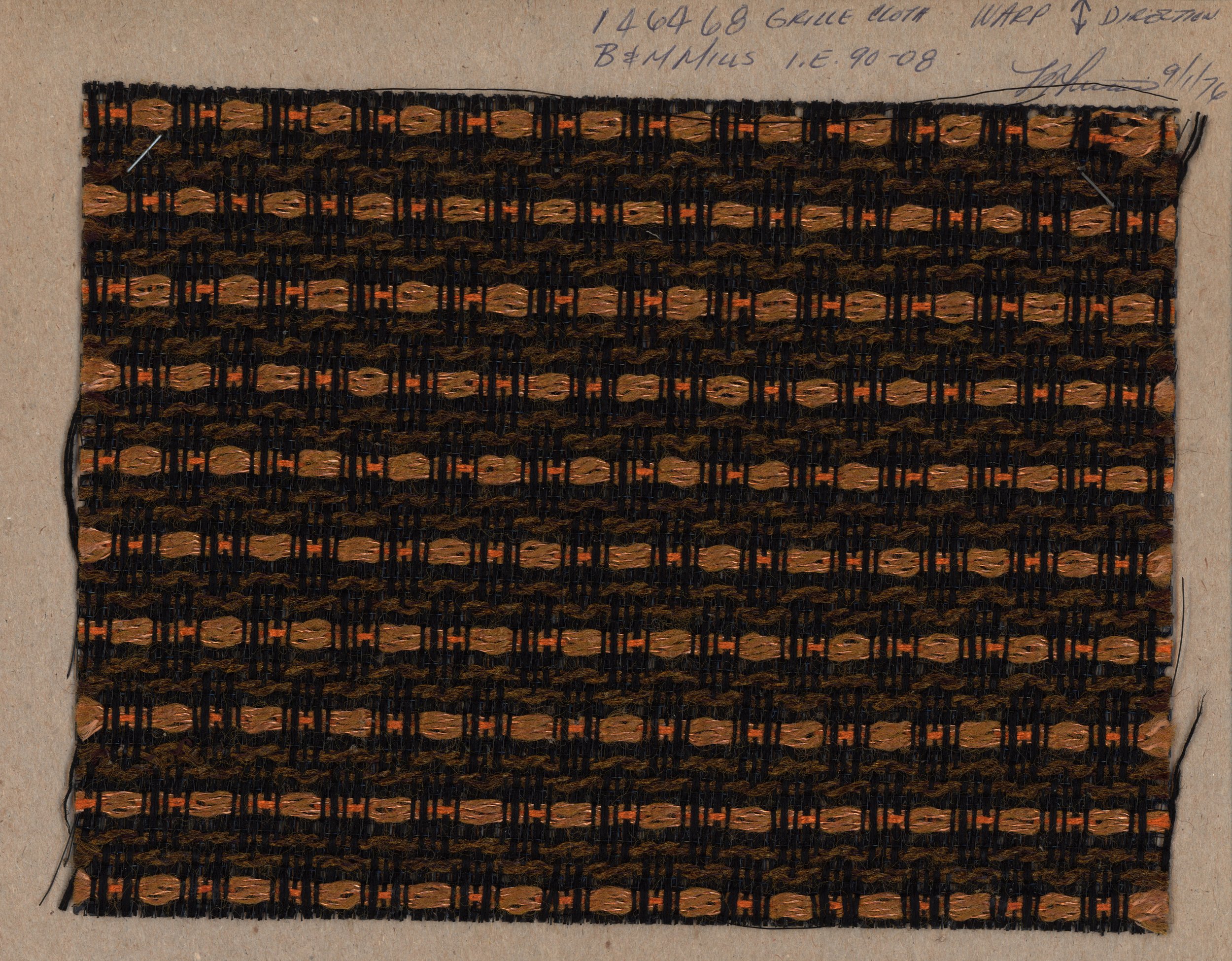
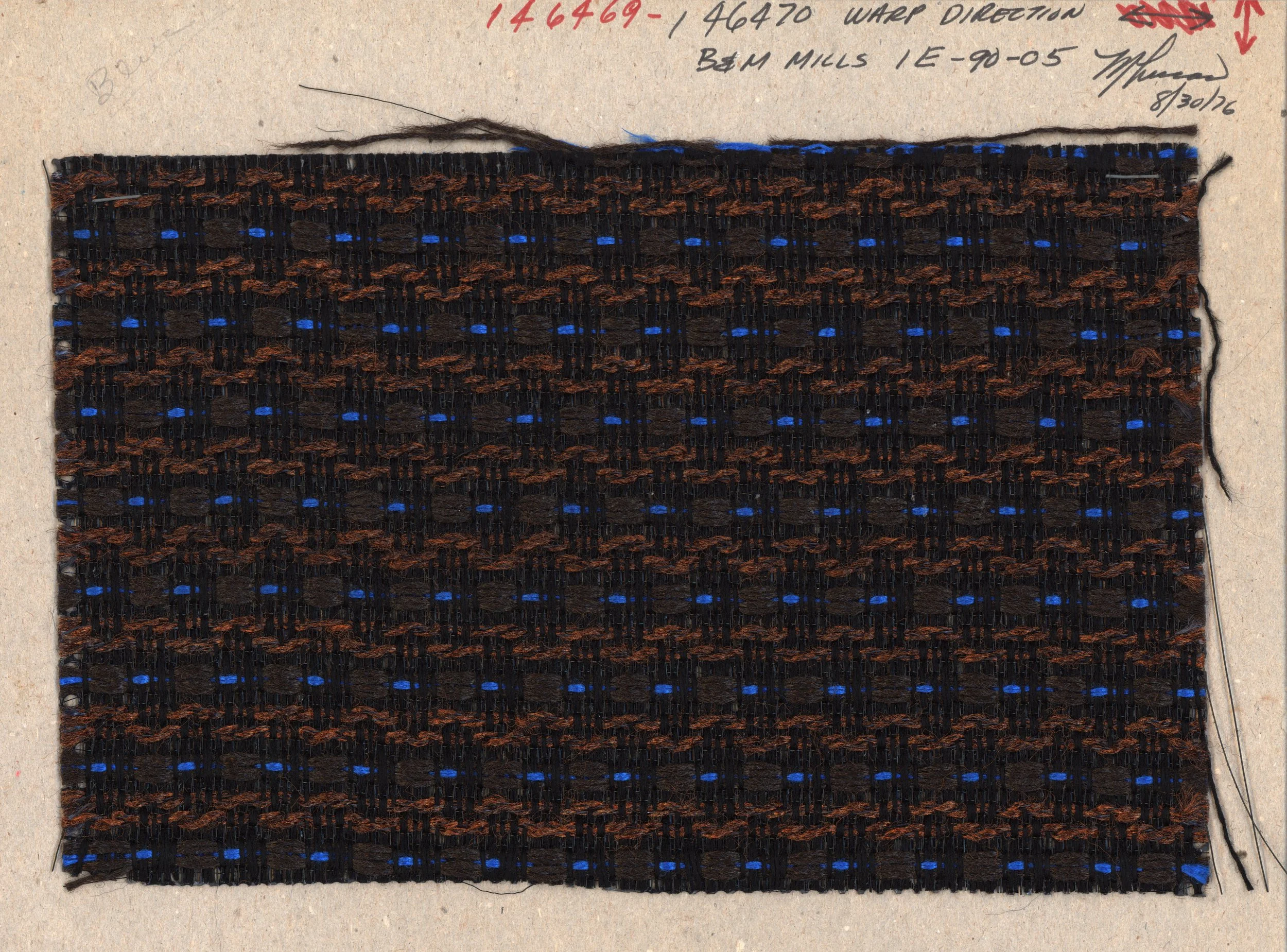
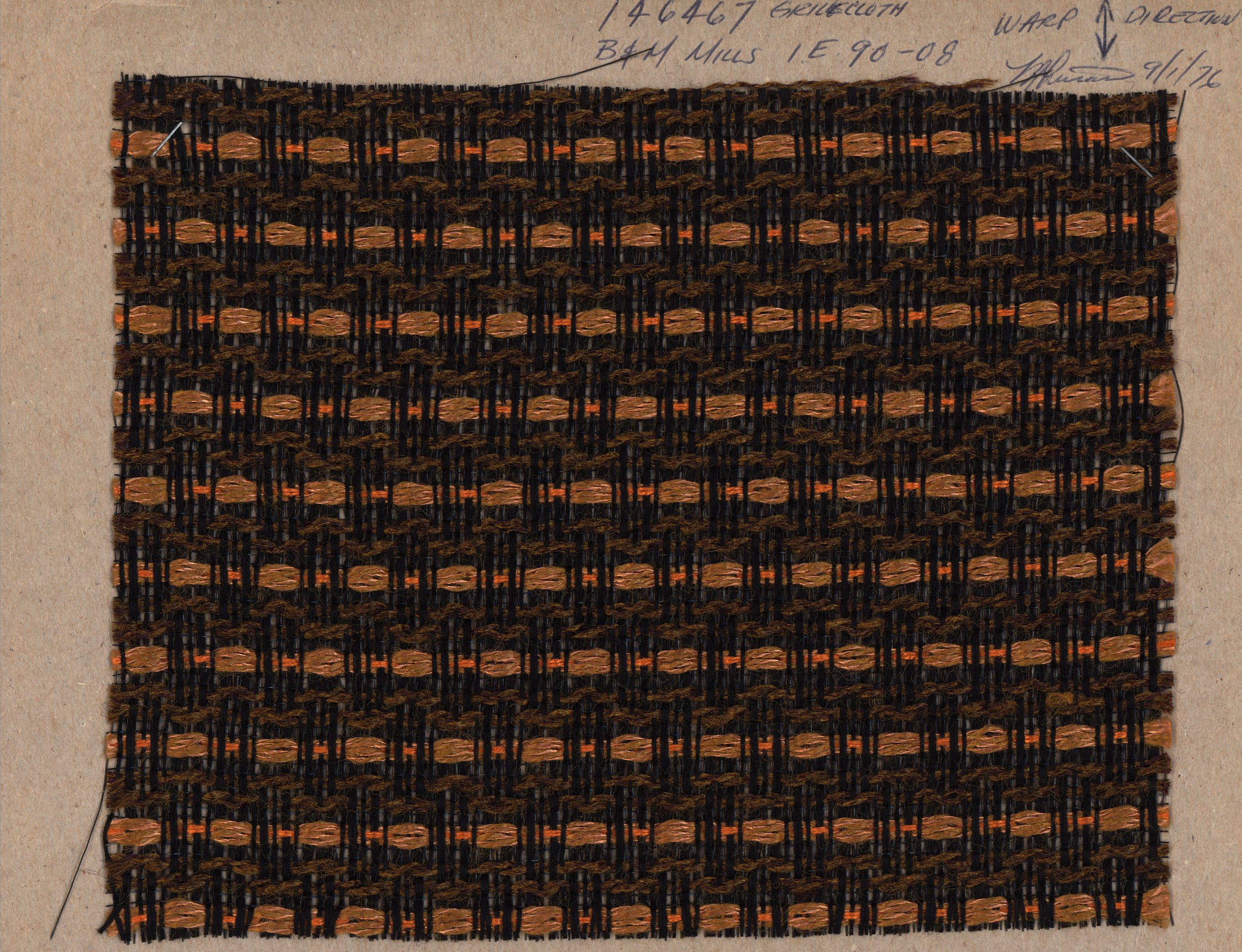
One thing that I guess shouldn’t have been surprising to us when we started going through the 100,000 page Wurlitzer document archive: the fabrics we found. So far, in just about every other one of the Wurlitzer factory organ documentation drawers, there was an original organ grille cloth swatch. This is a swatch of the specific fabric style that was selected for a particular organ model grouping mounted on a rigid card stock board, with specific information on it. The information included a pattern number, which was the fabric supplier’s number, in this case Wendell Fabrics, and the Wurlitzer organ models it was to go on.
When I try to picture vintage electronic organ grille cloth, my mind immediately goes to grandparent’s wall-to-wall carpet design motifs, and 70s living room couches, but I don’t immediately consider how many designs there were. Many of the patterns are quite different from one another, but some are really similar.
This finding, of so many specific grille cloth swatches, does make you wonder why Wurlitzer went through the trouble of having so many different (but pretty similar) patterns for their organ lines. This could be a question for a product or interior designer (one who cut their teeth in the 50s, 60s and 70s), but I have my own take. I think every organ had some individuality, and Wurlitzer wanted this. Organs have some general traits that would make them similar. They are all wood, or veneer, and in the warm earth tone color range. They all have two legs. They all have a big speaker panel with cloth on it. They all have keys.
But when you look for more than just a minute, they all have their own character. The knobs are in different places, and this is perhaps the bigger thing, many of them have slightly different grille cloth. To me, this does make a difference. They have some individuality - certainly more individuality than if they were all made with just one pattern of grille cloth.
Another thing I will mention about this grille cloth—it is so cool looking! I would say—from experience, actually—that these types of patterns are very relevant along side today’s design motifs. While colors that pop are fun, there is also a time and place for these vintage patterns. For a design application that calls for a more consistent or uniform look, the texture of these vintage fabrics are wild. They are anything but boring and yet they have a solid and monochromatic feel. 8-bit wood grain comes to mind.
Fast forward to today, the collection of Wendell/Wurlitzer organ swatches we have found in this massive document collection are a very welcome wave of tangible mid century style that we can hold and feel. They make us feel like we went back in H.G. Wells’ time machine, grabbed some fabric swatches, and brought them back.
Some of these swatches are already scanned and up on our website right now. More are in boxes waiting to be scanned. We can’t wait to share them with everyone, and we really wish they were still in production!
Digitization note: The images above are scans of the grille cloth swatches. We used our Plustek OpticPro A320E, which does a great job and preserves a lot of detail. But, at some point, we may go back and photograph them with our mirrorless camera also, so that we can adjust the lighting and capture the texture of the fabric. Although a lot of organs still have really nice grille cloth after so many years, it is very special to see swatches that were never exposed to the wear-and-tear of regular use and they definitely deserve a second photoshoot.